12/31/2025
Setting the Stage for Success
Nathan Wallace-Springer

As the Spring 2026 growing season approaches, now is the ideal time for growers to review their greenhouses to make sure they’re in production shape. This seasonal pause isn’t just downtime; it’s a critical chance to catch small operational issues before they escalate into big, costly problems. By carefully checking your greenhouse systems and materials now, you can ensure a smoother start to the new season and protect the health of your crops. This article will provide a preseason checklist to help growers get organized and ready for a successful spring growing season.
Preparing the growing environment
Greenhouse evaluation: The first step is to conduct a visual walk-through inspection of the greenhouse structure itself. Inspect every area for potential repairs. For example, this might include patching holes in torn plastic, replacing polyethylene coverings degraded by UV radiation or fixing broken glass panes. Similarly, all internal structural elements should be reviewed. Check essential components, such as horizontal air flow (HAF) fans, circulation vents, supplemental lighting, benches and hanging basket systems for wear and tear and test them to ensure they’re functioning properly. If any of these systems need to be fixed, this seasonal gap is the perfect time to address them without interrupting production.
Plant growing media: Growing media serves as the foundation of crop health, acting as the reservoir for water, air and nutrients necessary for plant growth. Therefore, the preparation and selection of a suitable substrate is critical for success in a growing season. Growers must first review the needs of their spring crops, assessing whether their current media (i.e. peat/perlite, coir or custom mix) is still appropriate or if a change is required to meet their growing needs. Factors like water retention, drainage, pH buffering and beneficial microbes, such as mycorrhizae or helpful bacteria, should all be considered since they directly affect plant growth.
 Next, all other growing components must be acquired and inventoried, including water-soluble fertilizers, controlled-release fertilizers, lime and fungicide drenches. If you have carryover materials from the fall, record the age and condition of these products. If necessary, send samples to a lab to verify their condition. For example, growing media characteristics like pH, starter fertilizer charge and wetting agent effectiveness can shift in older bales, requiring adjustments for spring crops.
Finally, assess the handling and storage conditions of all bulk materials. Materials should be stored in dry, covered areas to prevent contamination or degradation, which helps prevent weeds, disease and other issues from causing crop problems during the growing season.
Greenhouse sanitation: Proper greenhouse sanitation is the first and most effective defense against pests and disease organisms that can threaten spring crops. Sanitation must be thorough, moving beyond general sweeping to the complete disinfection of growing areas. Start by removing all residual plant material from the fall season—such as fallen leaves, dead fruit or weeds—as these can harbor bacteria, fungal spores and insect eggs.
Next, scrub all greenhouse surfaces with a commercial-grade disinfectant. This includes greenhouse benches (both above and below), floors, walkways and walls. If algae still remain, this step should be repeated until surfaces are clear. Pay extra attention to drains and areas where standing water occurs, as these are common areas for algae growth and insect breeding zones.
Once the interior is clean, don’t forget to clean the perimeter surrounding your greenhouse to remove debris and weeds, reducing the risk of external pests spreading to your new crops. A clean environment, inside and out, provides the healthiest possible start for your plants.
Greenhouse equipment inspection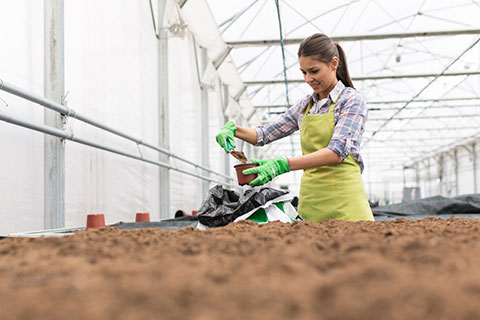
Greenhouse instruments: A successful nutrient and fertilizer program hinges on accurate measurement and precise data collection; therefore, you should use this time to test and calibrate instruments like pH and EC meters. These tools are prone to calibration drift when not routinely used and errors can quickly lead to under or over-fertilization, harming your plants. Any probes showing slow response, cracking or excessive wear should be replaced. Be sure to record the date of purchase for equipment, log the calibration dates and the results to establish a detailed maintenance history. Remember to check the date of calibration solutions to be sure they haven’t expired.
Greenhouse machinery: The mechanical side of growing operations demands constant attention to prevent costly downtime during the peak season. No grower wants to face a broken bale breaker or potting machine when the spring planting schedule is tight. Growers should utilize this period between seasons to inspect their machines, replace worn parts, adjust belts, lubricate moving components and check all electrical connections. By proactively testing equipment before media and plant material are introduced, you can eliminate mechanical failures and ensure production runs smoothly.
Water systems
Irrigation system: Irrigation systems are the lifeblood of greenhouse crop production. Consequently, conducting a complete irrigation system check during seasonal transitions is crucial. This process goes beyond simply turning on the water; it’s about ensuring the delivery is consistent, reliable, accurate and uniform across all benches. Growers should walk their system, inspecting main and secondary lines for leaks, wear or loose connections, especially around headers and valves. Additionally, every zone should be checked for clogged emitters and replaced, as clogged emitters can cause uneven watering and fertilization.
Finally, run a commercial-grade disinfectant through the water lines to flush them clean and eliminate potential contamination sources. While this step might take longer than other steps on this checklist to complete, it’s one of the most crucial to produce a uniform, high-quality crop.
Fertilizer injector: While irrigation systems are vital, the fertilizer injector plays an equally important, if not more crucial, role by delivering the essential nutrients plants need to survive and grow. Growers should inspect all plumbing connections for leaks (especially at the stock tank and main line) and check lines for mineral or chemical buildup. Likewise, check and calibrate fertilizer injectors to ensure that they’re delivering the exact rate required for your greenhouse production needs. Even small calibration errors can result in too little or too much fertilizer hitting your plants, potentially causing nutrient deficiencies or root burn from excessive salt buildup.
Finally, the stock tank for the fertilizer injector should be kept clean, filled with the correct solution/concentration, covered and stored away from anything that could contaminate it. Following these steps ensures your plants receive the necessary, precise nutrition for healthy growth.
Taking the time now to inspect, clean and maintain your greenhouse effectively sets the stage for a successful spring season. A thorough preseason review of your structures, growing media selection, equipment and water systems helps proactively prevent problems and ensures that your crops will get the best possible start moving into the Spring 2026 growing season. GT
Nathan Wallace-Springer is the Horticulture Specialist—Southeastern U.S. for Premier Tech.