10/30/2026
A Different Lens
Jennifer Zurko
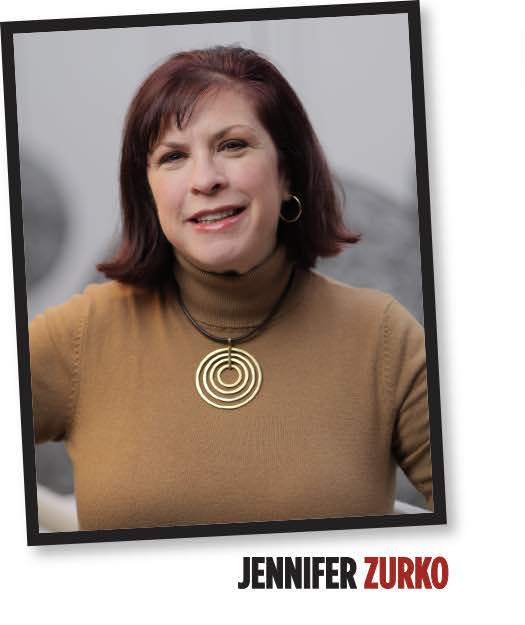
When I sat down with Jim Kennedy, president of Ball Seed, for my story on cost accounting, we went over all the things that growers need to be doing to really know what they’re spending when producing their plants. It includes a lot of different elements: inputs, customers, the marketplace, labor, the supply chain, current economics.
It’s a laundry list, but it also makes a lot of sense. We’ve written about knowing your costs dozens of times, but the topic continues to come up—you would think we’d be done talking about it. So I asked him, “Why do we have to constantly keep telling people this?”
He said, “You have to hear it through a different lens.”
Then he asked me what my favorite book is. That’s easy—”To Kill A Mockingbird” by Harper Lee.
“Think of a book you’ve read a couple times,” he said. “When you read ‘To Kill a Mockingbird’ when you were in 9th grade versus reading it last year, did you hear it differently? To me, it’s kind of the lens from which you read this article.”
Jim said that cost accounting now isn’t the same even if you’re faced with the same challenges as your dad when he ran the business in 1989 or your grandpa in 1978. Cost accounting is multiple snapshots in time of what is happening now and how you should be adjusting to accommodate any changes. What you’re dealing with now isn’t the same as even this time last year. Heck, things could change within six months.
That’s why it’s vital that you’re constantly looking at your costs and keeping track of what you’re spending, down to how many times your staff touches each plant. With margins as thin as ours, you have to make sure you know exactly what that plant is costing you to produce and whether you can charge enough to make a profit. Read Jim’s thoughts, along with a couple of greenhouse growers, on figuring out your costs.
This is the Plug & Liner Issue, so we also have lots of info on young plant production for seed/plugs and vegetative liners. Longtime industry professional Dr. Roger Styer gives us a refresher on Plugs 101. Another Ph.D.—this time Dr. Garrett Owen—talks about how to get your liners to branch better. (And thank you, Garrett, for the fabulous cover pic!)
Luke Finn and Dr. Brian Whipker, two gents from North Carolina State University, offer tips on how to balance pH and EC. And Dr. Ben Hoover looks at whether stratified substrates in cutting propagation is worth it.
You may feel like you know everything there is to know about young plant production, but maybe one of these articles will provide a new kernel of insight by looking at it through a different lens.
It’s an intriguing concept—I liked Jim’s book analogy a lot. Having a high schooler who’s reading a lot of the same classics I did back in the day, it’s interesting to see how she looks at them through her current lens. It also makes me question why we’re assigned some of these books at such a young age. Until you’ve tallied some life experiences and understand unrequited love and loss, you don’t truly understand until much later that Tom and Daisy Buchanan in “The Great Gatsby” are horrible, terrible people. When you’re viewing it through the lens of a 14 year old, you’re like, “Why did they do that?” When you read it again when your lens has reached its 40s, you’re like, “Yeah. I know those people.”
Here’s to having a clearer lens, old sport! GT