1/30/2026
Mycorrhizal Symbiosis
Dr. Anissa Poleatewich & Katie Gustafson
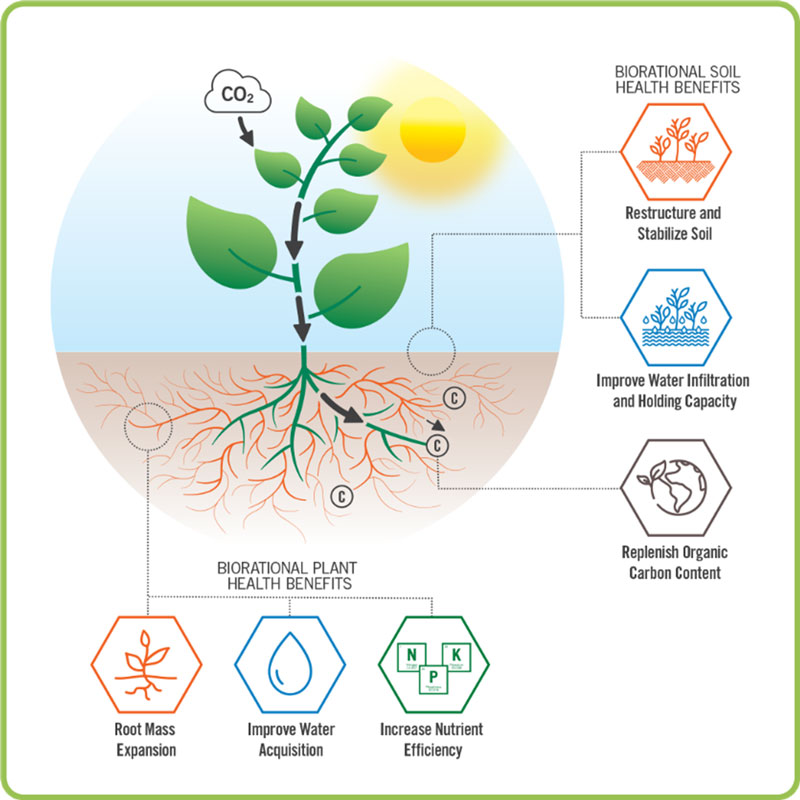
Mycorrhizal fungi are soil microorganisms that colonize plant roots and form a mutually beneficial relationship. Mycorrhizal fungi can boost the “nutritional health” of our plants, essentially acting as an extension of the root system, providing the plant with water and nutrients. In exchange, the fungi receive sugars and lipids.
In greenhouse and container crop production, crops are grown in soilless media that don’t contain mycorrhizal fungi, so they need to be added either by purchasing premixed growing media or applied during production. In in-ground production, plants also gain these benefits with the addition of mycorrhizae to the soil.
When a plant is transplanted into a landscape, the mycorrhizae join the soil ecosystem and change as its environment changes. While mycorrhizal fungi provide distinct benefits on their own, those benefits are amplified even further when in combination with a thriving soil microbial community. They’ll work with other microbes in the soil, such as phosphate solubilizers and nitrogen fixers.
Types of mycorrhizal fungi
There are several types of mycorrhizal fungi, each classified by their colonization methods:
- Endomycorrhizae (Arbuscular Mycorrhizal Fungi or AMF): This type of mycorrhizal fungi is commonly associated with herbaceous plants, leafy greens, flowers, shrubs and more. These fungi form intricate structures, called arbuscules, within plant root cells, which serve as the primary site for nutrient exchange. This relationship is visible when using a microscope.
- Ectomycorrhizae: These fungi are typically associated with woody plants such as conifers and hardwoods like oak and birch. Unlike endomycorrhizal fungi, ectomycorrhizal fungi alter the root morphology, making colonization visible to the naked eye.
- Other types: Include ericoid, orchid and monotropoid mycorrhizae, each forming distinct symbiotic relationships with specific plant species. For the most part, these mycorrhizae are not yet commercialized to be used in production.
Formation of symbiosis
Several factors influence the formation of mycorrhizal symbiosis. Fungi must be in close proximity to plant roots, as communication between the plant and fungi through chemical signals is essential to form the association. The plant controls the formation and usage of this association and can call on the mycorrhizal fungi in nutrient- or water-limited conditions. This ensures that the benefits of the symbiosis outweigh the costs. Over-fertilization can disrupt the relationship, as plants are less likely to seek microbial help when nutrients are abundant.
Benefits of mycorrhizal fungi
The benefits of mycorrhizal fungi to plants are extensive:
- Enhanced nutrient and water uptake: Fungal hyphae extend the root absorption area up to 50 times, allowing plants to access nutrients and water beyond the depletion zone. The increased surface area and ability to access both soluble and insoluble nutrient pools make these fungi more efficient than roots alone. In containerized plants, increase in uptake happens since the mycorrhizal hyphae access water and nutrients better within the depletion zone. They also hold that water and nutrients to be released when the plant needs it.
- Improved stress tolerance: Mycorrhizae help plants cope with environmental stressors such as drought, heat, transplant and transport shock. They also support faster plant establishment and better root growth. In addition, a lot of scientific literature supports the hypothesis that mycorrhizae help plants resist biotic stressors caused by pathogens and insect pests.
- Soil health and structure: Mycorrhizal fungi improve soil health by enhancing soil aggregation and water retention. They also reduce nutrient loss, making them a critical component in sustainable horticulture.
 Applications in horticulture
In general, an application made during propagation or before planting provides the maximum benefit. It takes time for the symbiosis to establish. The interaction requires communication between both plant and fungus. Since plants and microbes cannot “talk,” they communicate via an exchange of biochemical signals. For endomycorrhizal plants, it can take four weeks for the colonization of plant roots to establish and eight weeks for benefits to be noticed by the grower. The earlier symbiosis is established, the better the results.
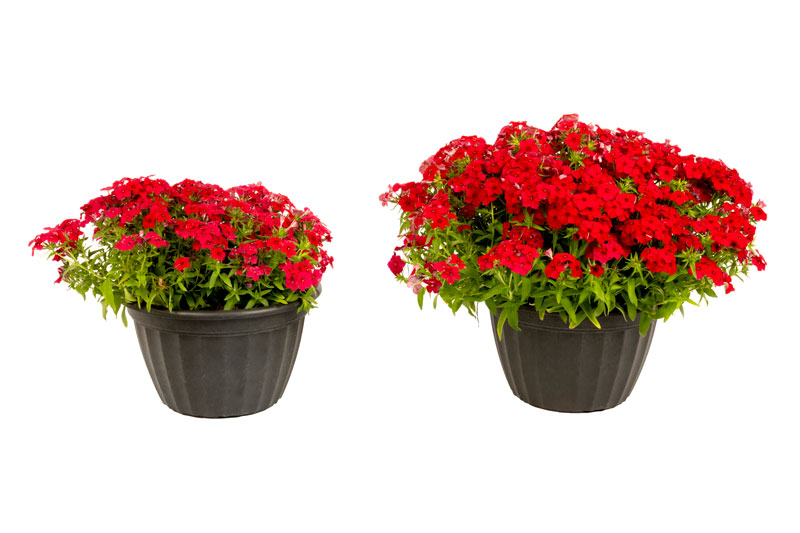
Phlox from a finished plant trial conducted at a greenhouse in Ohio in 2025. Left: untreated, right: treated with MycoApply.
The most cost-effective way of applying mycorrhizal fungi is inoculating early in production. Early application in a smaller volume of growing media uses less product compared to an application at later stages of plant growth. Plus, mycorrhizae help plants tolerate stressors such as transplant stress. When applied early and before transplanting, mycorrhizal fungi significantly improve transplant success.
 FAQs
FAQs
How long until the results are visible? In most applications, plants typically benefit from the mycorrhizal fungi within four weeks, with significant results usually visible by the grower after eight weeks.
How often should fungi be applied? For the vast majority of applications, one treatment is sufficient. However, additional applications may be needed in high-stress environments or for specific plant species.
Are mycorrhizal fungal inoculants compatible with other microbial products? Researchers have reported on examples where biocontrol agents such as Bacillus, Streptomyces and Trichoderma spp. act synergistically with mycorrhizal fungi. Manufacturers of biological products provide compatibility charts that growers can use to double check specific product combinations.
How do I know the mycorrhizae are working? As is the case with many biologically based tools, one cannot usually “see” the product on the plant or even see the benefit right away. Side-by-side comparisons of treated and non-treated plants are often the best way to observe the benefits. Some improvements growers have observed include seedling emergence, transplant success rate, crop uniformity and crop cycle time (growers have reported cutting weeks off the production cycle when using mycorrhizal fungi). Another metric is reduced nutrient loss through leaching. Mycorrhizal colonization can reduce N and P in container leachate by 65% to 80%.
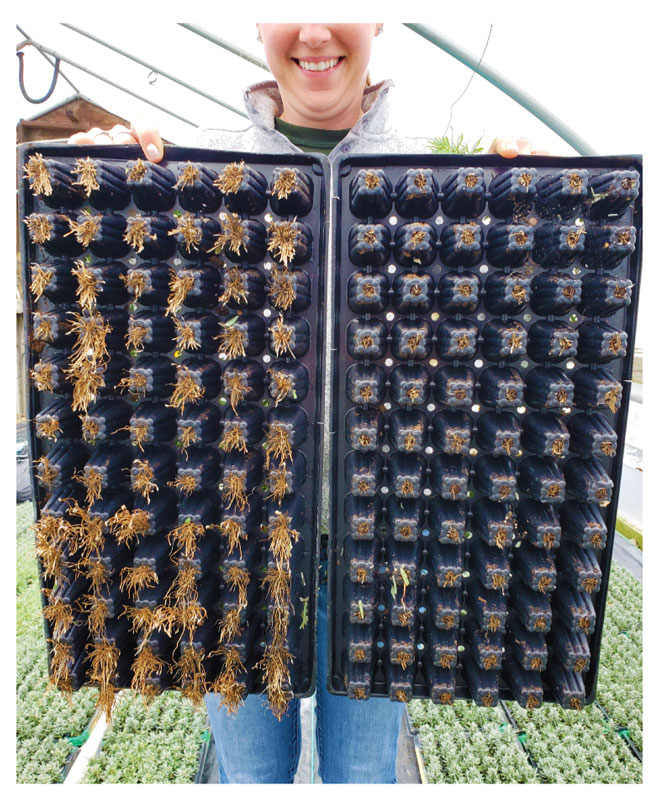 Lavender plug trials at Prides Corner Farms in Lebanon, Connecticut. Left: treated with MycoApply, right: untreated.
How do I know which mycorrhizae form associations with my plants? Mycorrhizal Applications has an extensive database of mycorrhizal plants and which mycorrhizal fungi they form associations with. Check it out at mycorrhizae.com.
Next steps: Dive deeper into the science and start a trial Mycorrhizal Applications has been providing mycorrhizal fungi to the horticulture industry since 1995. We have a wealth of information available on our website. You can also reach out to your local Mycorrhizal Applications sales representative for more information or to start a trial at your facility. GT
Dr. Anissa Poleatewich is Senior Product Development Manager and Katie Gustafson is Marketing Communications Manager for Mycorrhizal Applications.